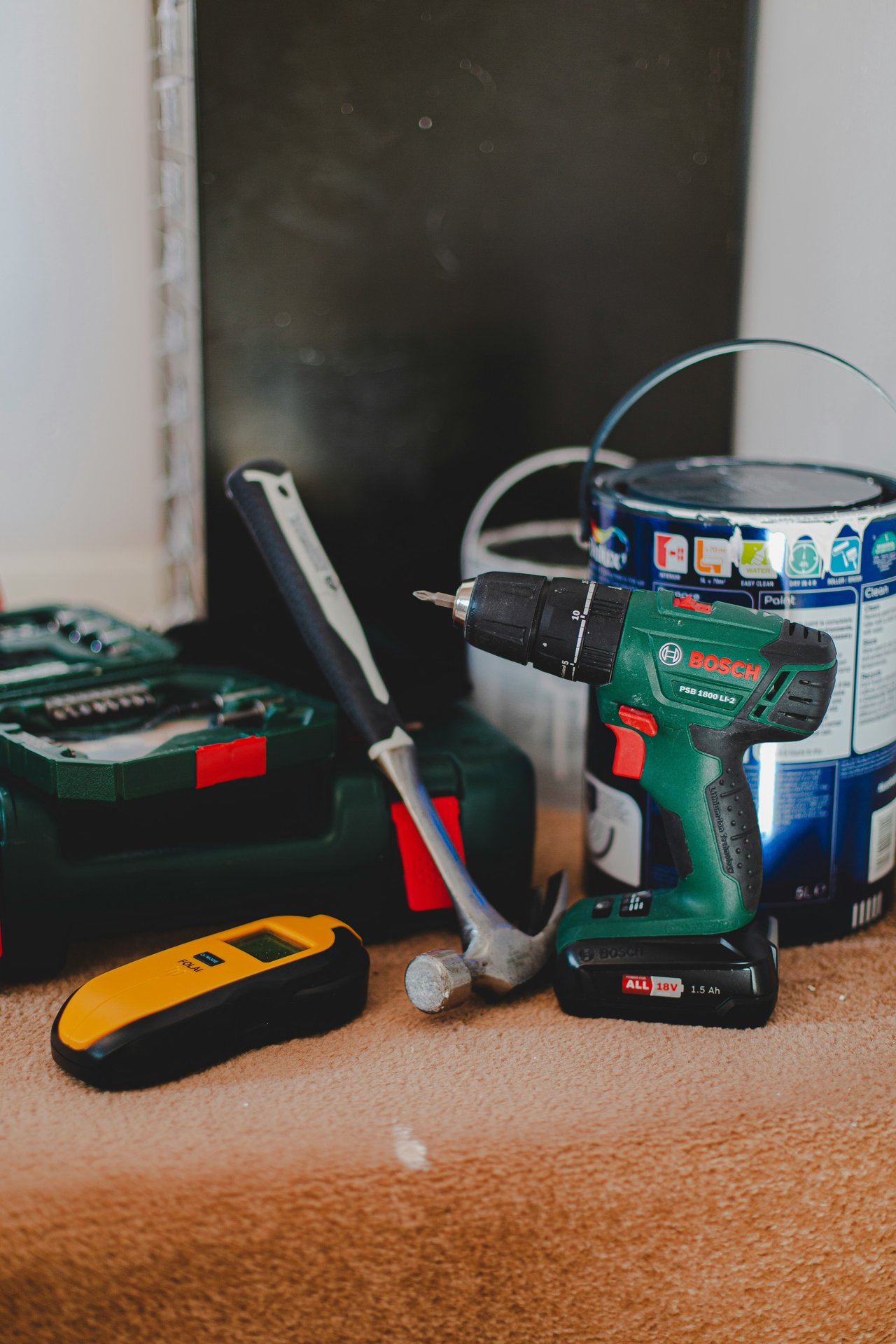
After being part of hundreds of inspections and builder walk-throughs, we've seen firsthand what truly matters when it comes to maintaining a home. Here are some of our top pro tips to help you protect your investment, avoid costly repairs, and keep your home running efficiently.
Cheaper Filters Can Be Better
Basic 1' furnace filters with low MERV ratings (1-4) are often best for your system. Their primary job is to protect your furnace - not purify your air. Thicker, high-MERV filters can restrict airflow and strain your blower motor. Always follow your hVAC system's recommendations, but no matter what you use - replace filters monthly to extend the life of your furnace.
Ensure CSST Gas Lines Are Properly Bonded
If your home has corrugated stainless steel tubing (CCST) for gas, it should be properly bonded/grounded. This simple upgrade helps protect your home in the events of a lightning strike. A licensed electrician or HVAC contractor can handle this.
Check Toilets for Stability
Toilets can loosen over time. If you notice wobbling, leaks at the base, or sewer odors, the wax ring may need replacing. Addressing this early can prevent bigger issues.
Maintain Proper Grading Around Your Home
Your foundation should have a positive grade, meaning soil slopes away from the house. Negative grading (toward the home) is a leading cause of basement water intrusion.
Protect Your Concrete
Avoid using salt or ice melt on new concrete for at least 6 months while it cures. Even long-term, minimizing salt use helps preserve concrete surfaces.
Keep Gutters Clean
Clogged gutters are a major contributor to water issues around the home, including basement leaks. Regular cleaning goes a long way.
Test Your Sump Pump
Periodically pour water into the sump pit to ensure it activates properly. Consider installing a battery backup system - especially important during power outages when you need it most.
Check Bathroom Venting
Bathroom exhaust fans should vent outside (through the roof), not into the attic. Improper venting can lead to moisture buildup and mold issues.
Test GFCI Outlets
Ground Fault Circuit Interrupter (GFCI) outlets are critical for safety. Test them regularly and replace any that aren't functioning - they're inexpensive and easy to swap out.
Upgrade Smoke & CO Detectors
Combination smoke and carbon monoxide detectors simplify safety. Replace all units at the same time, label them with the install date, and follow manufacturer guidelines for replacement.
Taking a proactive approach to these small maintenance items can prevent major headaches down the road - and help keep your home safe, efficient, and well cared for.